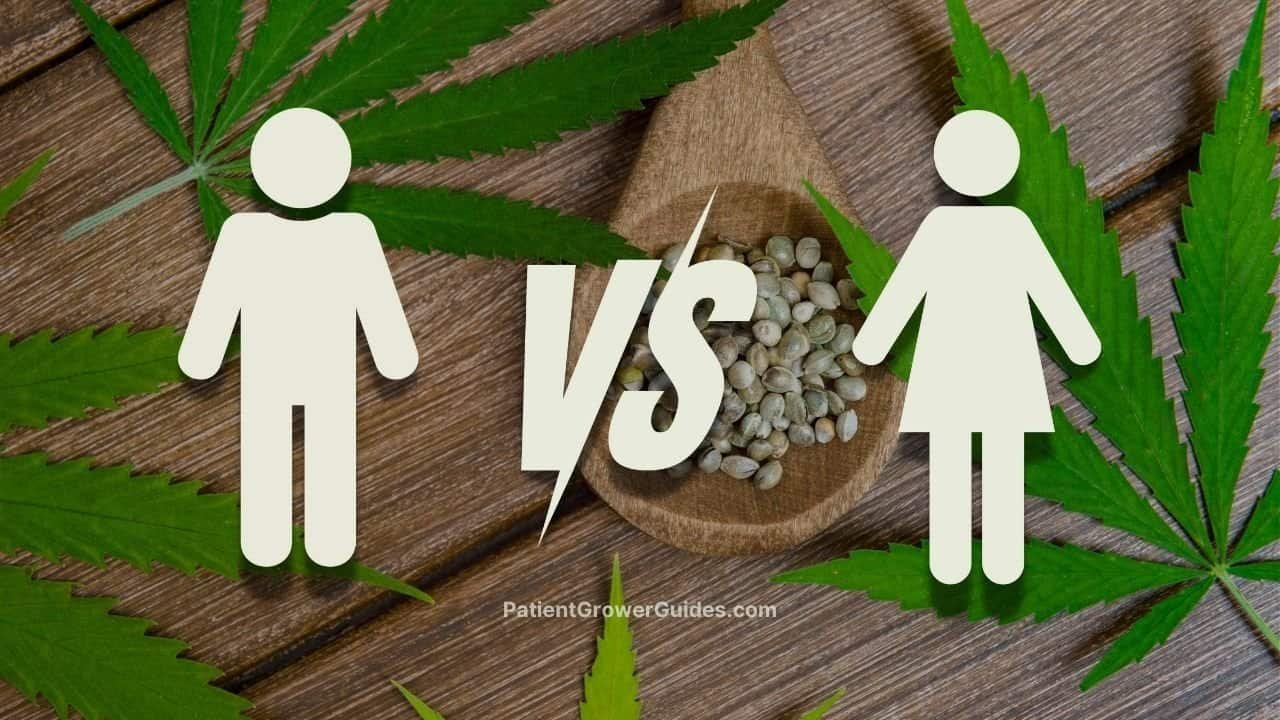
Male vs Female Cannabis Plant: How to Identify the Difference
As I’m getting ready for my first grow, one topic keeps coming up as a critical, must-know skill: understanding the difference in a male vs female cannabis plant. It’s mentioned in just about every guide and forum as a vital step for a successful harvest. To cut through the technical jargon, I decided to do a deep dive on this subject and create the simple guide I was looking for myself. This article is the result of that research – a clear plan for what to look for and why it matters so much.
This isn’t an expert guide from a master grower. It’s a collection of notes from one beginner to another, designed to be the one-stop resource that saves us both a ton of time and future headaches. Let’s figure this out together.
Table of Contents
Why This Is a Critical Skill We Need to Learn
So, what’s the big deal? As I dug into the research, it became clear that this isn’t just a minor detail – it’s fundamental to getting the results most of us are looking for. It all boils down to understanding what we want to grow and what we need to avoid.
The Goal: Understanding Why Female Plants are the Priority
From everything I’ve read, for patients growing their own medicine, the female cannabis plant is the star of the show. The female is the one that produces the dense, sticky, and resinous flower (which you’ll also hear called bud). This is where the magic happens. These flowers contain the highest concentrations of cannabinoids and terpenes, the compounds responsible for the plant’s therapeutic and aromatic qualities.
The ultimate goal for most growers is to cultivate sinsemilla, which is a fancy-sounding word that simply means “without seeds.” An unpollinated female plant will pour all of its energy into producing large, potent, seedless flowers, which is exactly what we want.
The Risk: How a Male Plant Can Ruin a Future Harvest
Now for the other side of the coin. The male plant has a completely different job. Its sole purpose in life is to produce male pollen and fertilize any nearby female plants. If it succeeds, the female plant’s priorities change dramatically. Instead of focusing its energy on creating that high-quality bud, it will switch over to producing seeds.
“Learn With Me” Story: Honestly, reading about how a single male plant can ruin an entire harvest is what motivated me to research this topic obsessively. It feels like one of those non-negotiable rules of growing. We’re not just planning to grow plants; we’re planning to grow medicine, and this is a key step in protecting that future investment of time and energy. A pollinated crop means a seedy, less potent harvest, and nobody wants that.
How to Identify Male vs Female Cannabis Plants (According to the Experts)
Alright, this is the part that initially seemed intimidating to me. It feels like you need a lab coat and a microscope, but my research shows it’s actually pretty straightforward once you know exactly what you’re looking for and where. It all comes down to timing and location.
When to Start Looking: The Right Time for Inspection
One of my first questions was, “When can you even tell?” The answer is that you can’t tell the sex of a cannabis plant from its seed or when it’s a young seedling. You have to be patient and wait for the plant to become mature enough to show its first signs of sex, which are called pre-flowers.
These tiny pre-flowers develop at the plant’s nodes – that’s the junction where a branch grows out from the main stem. Most sources say that plants show gender around 3-6 weeks after germination, often near the end of the vegetative cycle and just before the beginning of the flowering stage.
The Telltale Signs of a Female Plant
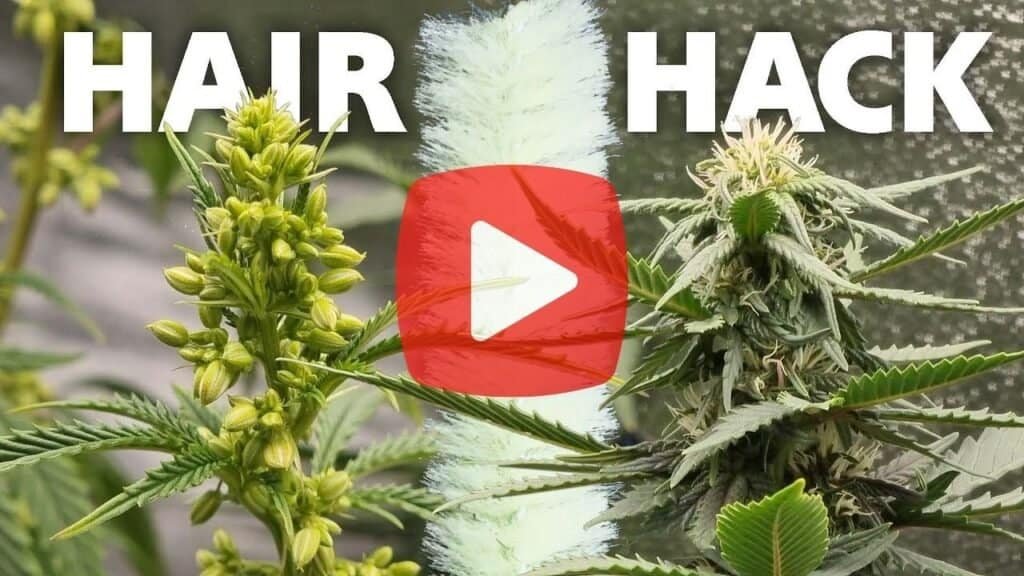
According to every guide I’ve found, identifying a female plant is all about looking for a pair of wispy white hairs. The female pre-flower will look like a small, greenish, teardrop-shaped pod (this is called the female calyx) with two white or pinkish “hairs” (this is the pistil) growing out of the tip. If you see these delicate pistils, you can breathe a sigh of relief. That’s the definitive sign you’ve got a girl.
The Warning Signs of a Male Plant
A male plant, on the other hand, develops something very different. Instead of wispy pistils, you’ll see small, ball-shaped growths. These are the pollen sacs. Often, they’ll appear in tight clusters that some people compare to a tiny bunch of grapes. These male pre-flowers start as small, smooth balls. If you spot these, it’s a clear sign you have a male, and those sacs are what will eventually open up to release pollen.
Quick ID Cheat Sheet:
- Female: Look for wispy white hairs (pistil).
- Male: Look for round balls (pollen sacs).
- The consensus from every expert is simple: if you see balls, it’s time to act fast!
Okay, You Found a Male Plant… Now What?
Finding a male plant in your grow can feel like a bit of a bummer, especially after putting in weeks of care. But the good news is, if you’ve caught it early, you’ve already prevented the biggest problem. The advice I found on what to do next is incredibly consistent and clear across the board.
The Golden Rule: Remove Male Plants Immediately
The unanimous verdict from every experienced grower is this: you must remove male plants from your grow space the moment you are sure of their sex. There’s no benefit to waiting. A single pollen sac can mature and burst open, releasing thousands upon thousands of pollen grains into the air. This fine dust travels easily on air currents from your fans and can quickly pollinate your entire crop.
To be extra safe, the recommended procedure is to first mist the male plant with water to weigh down any loose pollen, then gently cover the whole plant with a large trash bag before you cut it at the base of the stalk. This helps contain the pollen from male plants and ensures a safe removal. The key takeaway is to separate male and female marijuana plants as soon as you spot the difference.
What About Hermaphrodite Plants?
While researching, I also came across the term “hermie,” which is short for hermaphrodite cannabis. This refers to a single plant that develops both female pistils AND male pollen sacs. From what I’ve learned, this is often a response to stress – things like light leaks during the dark period, temperature problems, or other environmental issues can cause a female plant to develop male parts as a last-ditch survival effort.
Because a hermaphrodite plant can pollinate itself and all the other female plants in your tent, the safest bet, especially for us beginners, is to treat it just like you would a full male plant. Remove it carefully to protect the rest of your potential harvest.
Answering Your Top Questions (The Stuff I’ve Been Googling)
As I was going down this research rabbit hole, I kept having the same questions pop into my head. Chances are, you’ve wondered about some of these too. Here are the clear, simple answers I was able to find.
Can you tell if a cannabis seed is male or female?
Unfortunately, no. There is absolutely no way to tell the sex of a cannabis seed just by looking at it. All the genetic information is locked inside, but the only way to find out is to plant it, care for it, and wait for those pre-flowers to appear a few weeks down the line.
Can a female plant turn into a male plant?
Sort of. This is exactly what we were talking about with hermaphrodites. A genetically female plant won’t just decide to become a male. However, if it’s put under a lot of stress, it can develop male pollen sacs in addition to its female pistils. It’s not a full transformation, but it’s a survival tactic that can still lead to pollination.
Do male plants produce buds or get you high?
Not in the way we’re looking for. Male plants do technically flower, but their flowers are the pollen sacs, not the dense, cannabinoid-rich bud that female plants produce. While male plants contain trace amounts of cannabinoids, the concentration is incredibly low, making them unsuitable for consumption.
What’s the purpose of buying feminized seeds?
This is the popular shortcut to avoid this whole issue. Feminized seeds are specifically bred to produce female plants more than 99% of the time. For a beginner grower with limited space, this is a game-changer. It means you don’t have to use up resources growing plants that you might have to discard later. It takes the guesswork out of the equation and ensures every plant you grow is one that will produce medicine.
And there you have it. The whole male vs female cannabis plant issue seems like a big, intimidating hurdle at first, but it’s really not so bad when you break it down. The game plan is simple: our goal is to grow unpollinated female plants for their seedless flower. We do that by keeping a close eye on our plants’ nodes for the first signs of sex – looking for the female’s wispy pistils or the male’s pollen sacs – and removing any males as soon as we spot them.
After digging through all this information, the process of identifying plants feels much less intimidating. It’s a critical step, but now we have a clear game plan. Knowing what to look for ahead of time is half the battle, and I feel way more prepared to handle it when my grow is underway. We’ve got this.
Got a question or a tip I might have missed in my research? Drop it in the comments below. We’re all figuring this out together. For more on what happens next in a plant’s journey, check out my research on the full Cannabis Life Cycle.