
The Cannabis Life Cycle Explained: A Stage-by-Stage Guide for First-Time Growers
When I first decided to grow my own cannabis, the term ‘cannabis life cycle’ sounded like something from a high school biology textbook. It felt complicated and, honestly, a little intimidating. I spent hours jumping between forums, blogs, and videos, trying to piece together a clear, step-by-step plan.
So, I decided to do all the heavy lifting for both of us. This guide is the result of all that research – a complete roadmap for the journey a cannabis plant takes from a tiny seed to a full plant ready for harvest.
Think of this as the ultimate time-saver. Instead of you spending hours piecing it all together, I’ve compiled everything I’ve learned into one comprehensive guide.
So, What Exactly is the Cannabis Life Cycle?
The cannabis life cycle is the entire process a cannabis plant goes through, from a seed to a mature plant that’s ready for harvest. Think of it like a plant’s biography with distinct chapters. For new growers like us, understanding this lifecycle is the key to creating a solid plan and giving our future plants the right care at the right time.
From Seed to Harvest: The Four Main Growth Stages
When you’re first learning, all the different terms can feel like a lot, but my research shows the plant’s life cycle really boils down to four main stages. Here’s the quick overview of what we need to plan for:
- Germination: This is the very beginning, where we’ll wake the seed up and help it sprout its first root.
- Seedling: This is the baby phase. The plant will be young, fragile, and will need gentle care as it develops its first few sets of leaves.
- Vegetative: This is the “teenage” phase. The cannabis plant will focus all its energy on vegetative growth – getting big and bushy with lots of leaves and a strong stem.
- Flowering: This is the “adult” phase, where the plant stops growing bigger and starts producing the bud (the flowers) that all this planning is for.
How Long Does the Cannabis Life Cycle Take?
One of the first questions I had to figure out for my own plan was, “how long is this all going to take?” The answer I found is: it depends. The entire life cycle of a cannabis plant can take anywhere from 3 to 8 months. There isn’t a single set timeline because a few key things can change the schedule:
- Genetics: An “autoflower” seed has a pre-programmed lifecycle and might be ready in 3 months. A “photoperiod” seed (which is what I plan to grow) depends on the light schedule you give it, giving you more control over the timing.
- Strain: My research shows Indica strains typically have a shorter flowering stage than Sativa strains.
- Your Goals: As a grower indoors, you can control how long the plant stays in its vegetative growth stage. A longer veg time means a bigger plant and potentially a bigger harvest.
If you’re looking for a simple answer, like a recipe, you’ll find that growing cannabis is more like a ‘choose your own adventure’ book. We have some control over the timeline, which is pretty cool.
Stage 1: The Germination Stage (Approx. 1-7 Days)
This is where the journey is set to begin. The germination stage is the official starting pistol for the plant’s life. Think of a cannabis seed as a tiny, self-contained plant embryo in a deep sleep. Our job will be to create the perfect conditions to wake it up. This process, called germination, seems surprisingly simple and usually only takes a few days.
Waking the Seed from Its Slumber
To germinate a seed, it just needs three things: warmth, moisture, and darkness. When the seed senses these conditions, it thinks it has found a safe place to start growing. It will absorb water, swell up, and crack open its protective outer shell. Then, the magic happens: a tiny, white primary root, called a taproot, will emerge, officially starting the cannabis plant’s life.
My Plan: The Paper Towel Method
After looking at a few ways to germinate seeds, I’ve decided to use the classic paper towel method. It seems like the most foolproof option for a beginner because it lets you see exactly what’s happening.
Here’s the step-by-step process I’ll be following:
- Take two paper towels and dampen them with water – they should be wet, but not dripping.
- Place my cannabis seed on one of the damp towels.
- Gently cover it with the second damp towel.
- Place the whole thing between two dinner plates to create a dark, humid little dome.
- Set it in a warm, dark place (I’ll probably use the top of my refrigerator).
I’ll be checking on it every day, and I’ve read that after about two days, I should see success. I can only imagine that seeing the first tiny white root emerge from the shell of the seed will be the moment this whole project feels real. It will go from a theoretical plan to a living thing that I’m responsible for. This initial cannabis germination stage is a huge first step, and my research confirms that starting with quality cannabis seeds makes all the difference.
Stage 2: The Cannabis Seedling Stage (Approx. 2-3 Weeks)
Once the seed has been planted, the cannabis seedling stage will begin. This is the official “baby” phase of the plant’s life, and my research indicates it will last for about 2-3 weeks. During this stage of growth, the plant is at its most vulnerable, so the plan is to provide a stable, gentle environment.
Welcome to the World, Little One
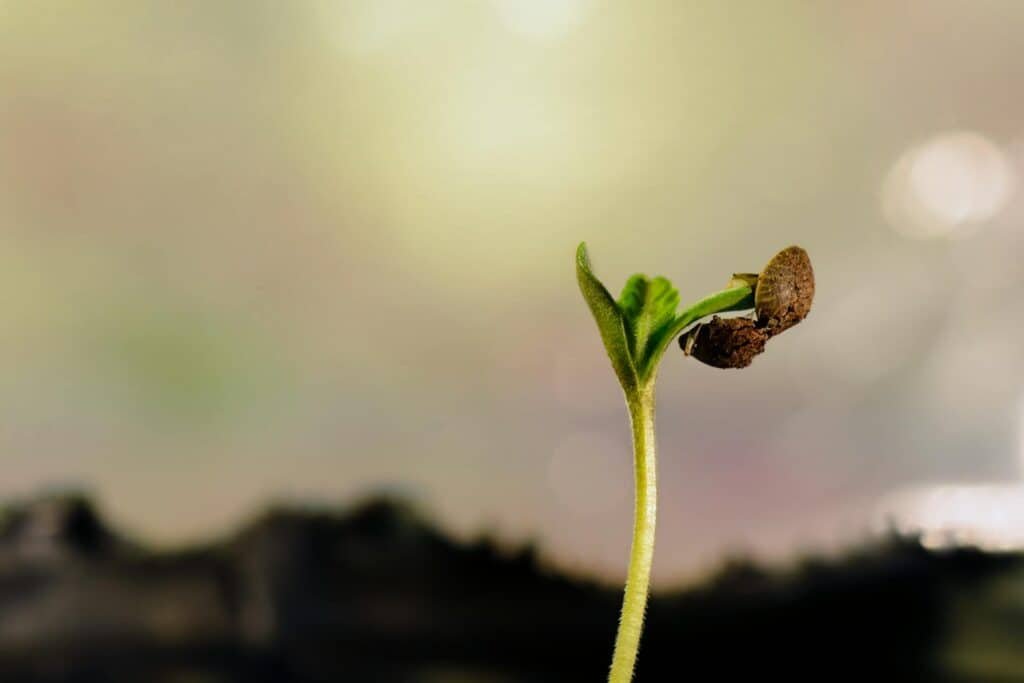
The first thing I expect to see push up through the soil is a tiny stem with two small, round leaves called cotyledons. My reading confirms these aren’t “true” cannabis leaves; they’re the seed’s packed lunch, providing the initial energy.
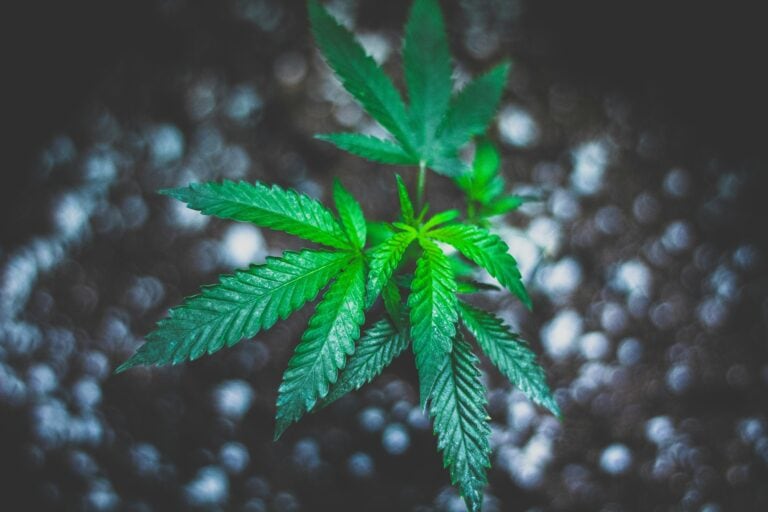
Soon after, the first set of true cannabis leaves should grow. They’ll have that iconic serrated look, but will probably only have one “finger.” The next set might have three, and the next five. Seeing these first few leaves will be a great sign that the cannabis plant is on its way.
What a Healthy Seedling Needs: Light and Gentle Care
A healthy seedling should have a short stem and vibrant green leaves. If it grows super tall and skinny, that’s a sign it’s stretching for more light. The biggest warning I’ve seen for new growers is about water. A seedling’s root system is tiny and can’t absorb much, so it’s incredibly easy to overwater. My research screams that ‘more is not better’ when it comes to watering, so I’ll be letting the soil dry out a bit between waterings.
Stage 3: The Vegetative Stage (Approx. 3-8+ Weeks)
After a few weeks as a delicate seedling, the cannabis plant will graduate to the vegetative stage. If the seedling stage is childhood, this is the explosive teenage growth spurt. The plant’s entire focus will shift to one simple goal: getting as big and strong as possible. This is the main period of cannabis growth, and for indoor growers, its length is controllable.
The Growth Spurt: Building the Plant’s Frame
During the vegetative stage, the plan is to watch for rapid leaf and stem growth. The main stem will thicken, new branches will shoot out, and the plant will produce an abundance of large fan leaves. These leaves are like solar panels, soaking up light to fuel the plant’s structural growth and development. Below the surface, the root system will also be expanding dramatically. The goal here is to build a strong frame that can support the weight of heavy buds later on.
Let There Be Light (18 Hours a Day!)
To power all this explosive vegetative growth, the plant needs a lot of light. The standard indoor light cycle for this stage is 18 hours of light on, followed by 6 hours of darkness. This long “day” tells the plant to focus on growing.
When I first saw “18/6” on a growing forum, I thought it was some complex formula. It’s not. It just means 18 hours with the light on and 6 off. Understanding simple things like this is why I wanted to create this guide – to decode the jargon before we start. During this stage, the plant will also need more water and its first real nutrients, especially nitrogen.
Stage 4: The Flowering Stage (Approx. 6-12+ Weeks)
This is the moment all the planning is for. After guiding the plant through its vegetative growth, it’s time to signal the start of the flowering stage. This is the final and most rewarding phase, where the plant shifts from growing bigger to producing resinous buds. This stage is typically the longest.
The Big Switch: Triggering Flowers with Light
For photoperiod cannabis strains, triggering the flowering stage is done by changing the light cycle to a balanced schedule of 12 hours of light and 12 hours of uninterrupted darkness. This change mimics the shortening days of fall and tells the plant it’s time to reproduce.
Is It a Boy or a Girl? Spotting the Difference
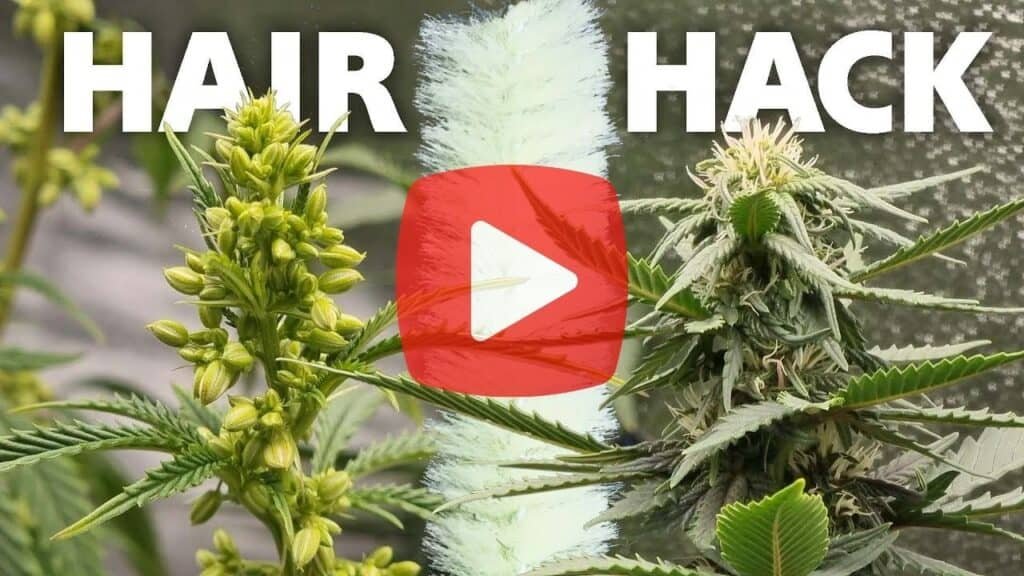
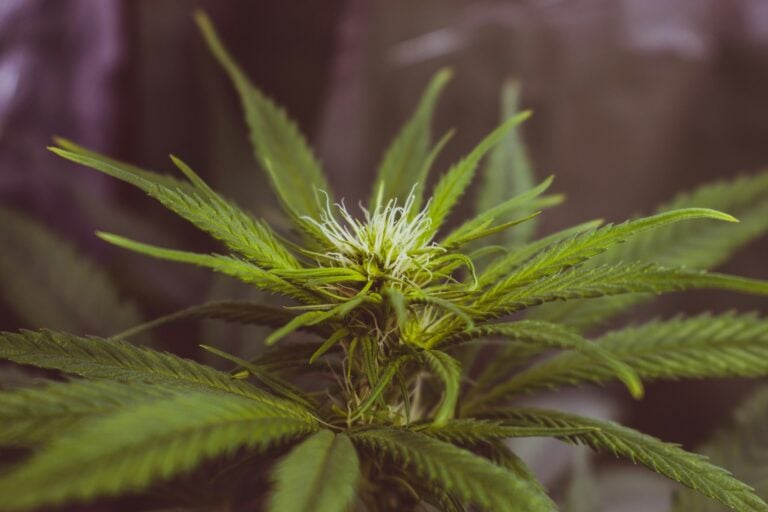
This seems like a critical moment for any new grower. Only the female plant produces the cannabinoid-rich buds. Male plants produce pollen, and if they pollinate a female, her buds will become full of seeds. In the first couple of weeks of flowering, it will be time to play detective.
- Female: I’ll be looking for delicate, white, feathery hair-like strands (called pistils).
- Male: I’ll be watching for small, green, ball-shaped sacs (called pollen sacs).
Honestly, this is the part of the plan that makes me the most nervous. The idea that a single undetected male plant could ruin months of work means I’ll be checking my future plants obsessively once they reach this stage.
What to Expect as Buds Develop
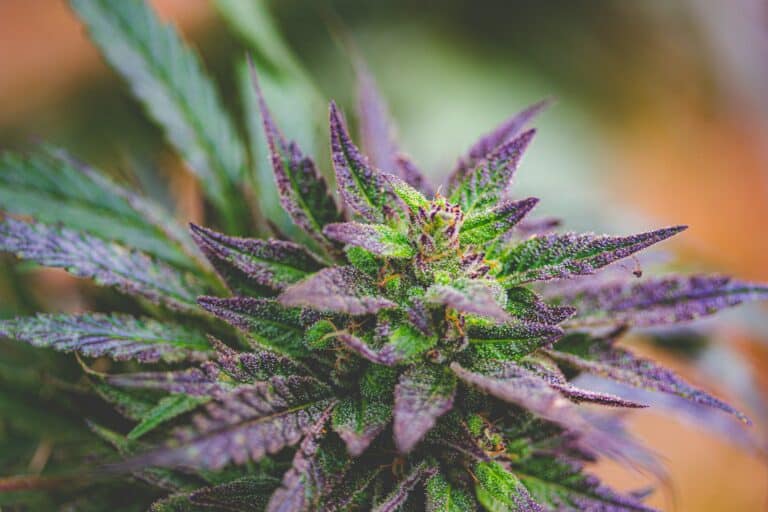
Once a plant is confirmed female, the real show begins. Those little white pistils will multiply and form buds. Over the coming weeks, these buds should swell and become dense. I’ll also be looking for the plant to get “frosty” as it develops trichomes – the tiny, sticky glands that produce the compounds giving cannabis its effects and aroma.
The Finish Line: Harvest, Dry, and Cure
Once we’ve guided our plant through its full life cycle, the final step before enjoying the fruits of our labor is the harvest. My research shows that timing this perfectly is a crucial final skill.
How Do You Know When It’s Ready for Harvest?
There are two main ways to tell if a plant is ready for harvest.
- The Pistil Method: When about 70-90% of the pistil hairs have darkened and curled in, the plant is in the harvest window. This method is easy, but not the most accurate.
- The Trichome Method: This is the gold standard. I’ve already bought a cheap jeweler’s loupe for this stage, which is needed to see the tiny trichomes. I imagine I’ll feel like a detective looking for these color changes:
- Clear: Not ready.
- Cloudy/Milky: Peak potency.
- Amber: More of a relaxing effect.
The ideal harvest time seems to be when most trichomes are cloudy, with a small percentage turning amber.
The Job Isn’t Over Yet
After the plant is cut down, the work isn’t done. The post-harvest steps of drying and curing are just as important. The best analogy I’ve found is that harvesting is like picking the apples, but drying and curing is what turns them into a perfect apple pie. It’s a final step I will not be skipping.
Frequently Asked Questions (FAQ)
How long is the entire cannabis life cycle?
The full cannabis plant life cycle typically takes between 3 to 8 months. The exact time depends on the plant’s genetics, the specific strain, and choices made during the grow.
What are the main stages of cannabis growth?
There are four primary stages of cannabis growth: Germination, Seedling, Vegetative, and Flowering.
What should a cannabis plant look like at 4 weeks?
At 4 weeks from sprouting, a cannabis plant is usually in the late seedling stage or early vegetative stage. It should have several sets of leaves and a thickening stem.
When do I switch my lights to a 12/12 cycle?
You switch the light schedule to 12 hours on and 12 hours off to trigger the flowering stage in photoperiod cannabis plants.
How do I tell a male plant from a female plant?
Early in the flowering stage, look at the nodes where branches meet the stem. Male plants develop small, ball-like pollen sacs. A female cannabis plant develops wispy, white hair-like strands called pistils.
And there you have it – the entire cannabis lifecycle, from a dormant seed to a harvest-ready plant, all mapped out. When you break it down, it’s not the intimidating process it first seems to be. It’s a journey, and this guide is our roadmap.
My goal is to learn all of this right alongside you, one step of the plan at a time. My hope is that by sharing my complete research and grow plan, it makes the idea of your own cannabis cultivation feel more achievable. If I can plan it out this thoroughly, you can too.
Thanks for following along. Do you have any questions about the plan? Feel free to drop a comment below!