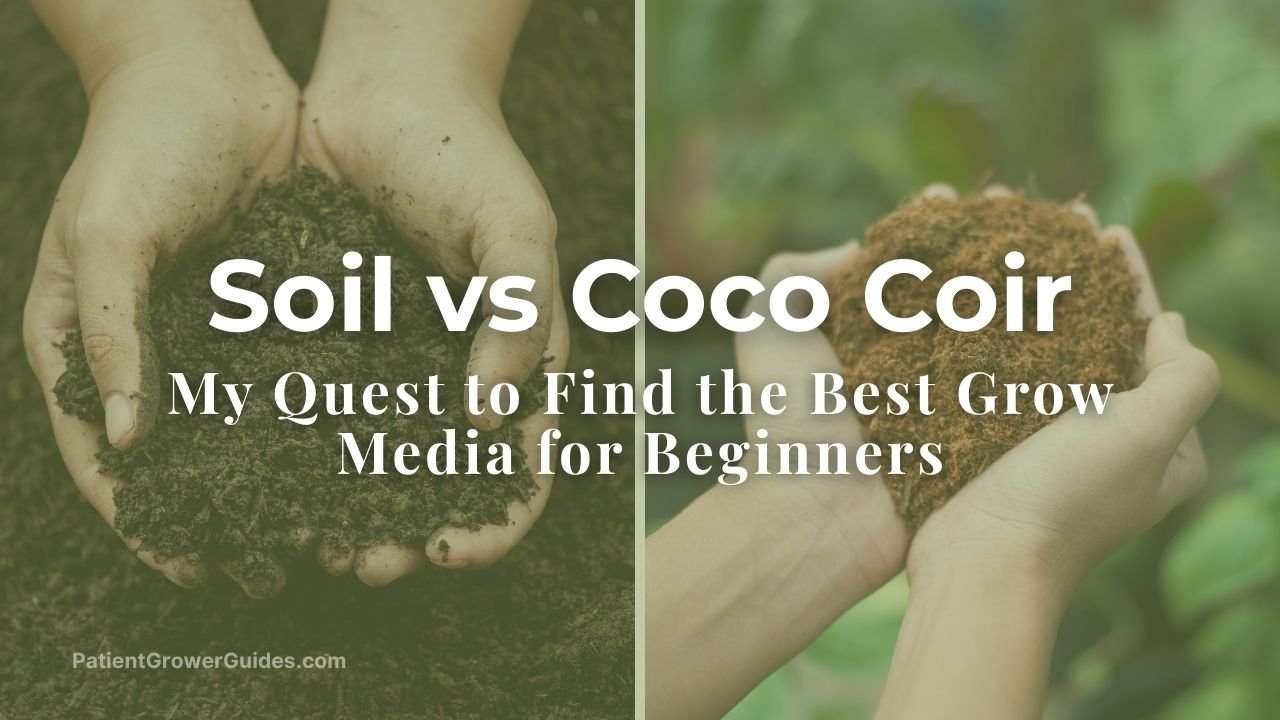
Soil vs Coco Coir: My Quest to Find the Best Grow Media for Beginners
So, you’ve decided to take the leap and grow your own medicine. Welcome to the club! You’ve probably started a checklist of everything you need: a tent, some grow lights, maybe a fan… and then you hit the first major roadblock. At least, I know I did.
The roadblock wasn’t the fancy equipment; it was the literal ground the plant grows in. Every forum, every YouTube video, and almost every grower I listened to spent time talking about soil vs coco coir. They were debating which was better with the kind of passion usually reserved for sports rivalries.
I was totally lost. What even is coco coir? Isn’t it just some kind of fancy dirt? Is one really better than the other for a first-timer who is terrified of killing their very first plant?
So, I did what any good patient-in-training would do: I dove into hours of research to figure this all out, not just for you, but for my own first grow. I’ve compiled everything I learned right here in one place to save you the headache. In this guide, we’re going to break down the real difference between soil and coco coir, look at the pros and cons of each, and by the end, we’ll try to figure out which grow media is the right starting point for someone like us.
Table of Contents
First, What is Potting Soil? The Classic Grow Media
When you think about growing any kind of plant, soil is probably the first thing that comes to mind. It’s what we’ve all used for houseplants or garden vegetables. But when it comes to growing cannabis in a pot, the stuff you use is a bit more specialized than the dirt in your backyard.
Understanding the Basics of a Good Potting Soil
My research journey started with a simple assumption: soil is just dirt.
I was completely wrong.
I learned that a high-quality potting soil is basically a pre-made buffet, full of nutrients and ingredients specifically designed to help your plants thrive. Think of it less like dirt and more like a carefully crafted recipe for your soil mix.
Most good potting soil mixes contain a blend of ingredients like:
- Compost or Worm Castings: This is the decomposed organic matter that provides a slow-release source of nutrients for your plant. It’s the main course in the buffet.
- Peat Moss or Sphagnum Moss: These help the soil retain water, so your plant doesn’t dry out too quickly.
- Perlite or Vermiculite: These are the little white, rock-like things you see in the mix. They create tiny air pockets in the soil, which helps with aeration and prevents the roots from suffocating.
The most important takeaway for a beginner is that good soil comes with a built-in food supply. The plant can start feeding on the nutrient content in the soil right away.
The Pros and Cons of Growing in Soil
Based on everything I’ve read, using soil seems to have some clear advantages and disadvantages, especially for a new grower.
Pros of Soil:
- It’s Forgiving: Because soil contains organic matter and holds onto water and nutrients, it acts as a buffer. If you’re a day late with watering or forget a feeding, the soil gives you a little wiggle room. This is a huge plus for me.
- Fewer Nutrients Needed Upfront: Since the soil already has a nutrient supply, you won’t have to start mixing liquid fertilizers from day one. It simplifies the first few weeks of the plant’s life.
- It’s Familiar and Available: You can find bags of high-quality potting soil at any local garden center. It feels familiar and less intimidating than other types of grow media.
Cons of Soil:
- Potential for Unwanted Pests: This is a big one. Because soil is a living, organic material, it can sometimes be a breeding ground for annoying pests like fungus gnats, right out of the bag. This is a common headache many new growers face when using soil.
- Heavy and Can Compact: A large pot filled with moist soil is heavy to move. Over time, the soil can also compact, reducing the amount of oxygen available to your plant’s roots.
- Inconsistent Quality: The quality of soil can vary wildly from brand to brand. A cheap bag of “garden soil” is not the same as a properly amended, high-quality soil designed for growing in a pot.
Patient Grower’s Cheat Sheet: The Lowdown on Soil
Just want the highlights? Here’s what my research taught me about using soil, boiled down to the essentials for a new grower.
- It’s Beginner-Friendly: Soil acts like a safety net. It comes with its own nutrients and holds water well, giving you more room for error while you’re still learning the ropes.
- Less Mixing from the Start: You likely won’t have to play chemist with a bunch of nutrient bottles right away, as a good soil provides the initial food for your plant.
- Watch Out for Pests: This is a major downside. Because soil is organic, it can bring unwelcome guests like fungus gnats into your grow space.
- The Bottom Line: Soil seems like a great, forgiving starting point, but you need to be prepared for the possibility of dealing with pests.
So, What on Earth is Coco Coir?
Alright, let’s talk about the challenger: coco coir.
When I first heard of growing a plant in a coconut husk, I pictured something out of a cartoon. I was imagining a little seedling sticking out of a coconut you’d win at a carnival.
As it turns out, it’s one of the most popular grow media out there, especially for people who want more control over their grow.
From Coconut Husk to a Hydroponic Medium
Coco coir (pronounced “koy-er”) is simply the fibrous material made from the outer husk of a coconut.
It’s a natural byproduct of the coconut industry and is considered a renewable resource, which is pretty cool.
It’s often sold as a compressed, dry brick that you have to rehydrate with water.
Here’s the single most important thing I learned about coco coir: it is an inert medium.
That’s a fancy way of saying it contains absolutely zero nutrients. Nothing. Nada. Unlike soil, which is a complex ecosystem with its own food supply, coco coir is a completely blank slate. It’s basically a neutral, fluffy home for your plant’s roots. Because of this, growing in coco coir is technically considered a form of hydroponics.
The Pros and Cons of Using Coco Coir
This “blank slate” nature of coco coir leads to a very different set of pros and cons compared to soil.
Pros of Coco Coir:
- Amazing Aeration and Drainage: The fibrous, airy texture of coco coir means it’s almost impossible to overwater your plants. Water drains freely, allowing lots of oxygen to get to the root zone. Healthy roots often lead to healthier plants.
- Promotes Faster Plant Growth: All that oxygen at the roots can lead to explosive root development, which often results in faster overall plant growth compared to growing in traditional soil.
- Fewer Pests and It’s Reusable: Since it’s an inert material with no organic matter, coco coir is much less likely to harbor pests. Plus, after a harvest, you can rinse it out and reuse it.
Cons of Coco Coir:
- You Are 100% in Charge of Nutrients: This is the big one. Because it’s a blank slate, your plant is entirely dependent on you for its food. You have to provide every nutrient it needs by mixing them into your water from the very beginning. This means buying and learning how to use bottled fertilizers.
- More Frequent Watering: That great drainage means it also dries out much faster than soil. You’ll likely need to water your plants more often, sometimes even once a day, especially as they get bigger.
- It Needs an Extra Step Called “Buffering”: I kept seeing the term “buffering” in my research. In simple terms, coco coir naturally likes to hold onto certain minerals (calcium and magnesium) and release others. To prevent this from causing problems for your plant, most growers “buffer” the coco coir by rinsing it and soaking it with a Cal-Mag (Calcium and Magnesium) supplement before using it. It’s an extra, but crucial, step that soil doesn’t require.
Patient Grower’s Cheat Sheet: The Lowdown on Coco Coir
In a hurry? Here are the must-know facts about coco coir for anyone just starting out.
- You’re in the Driver’s Seat: Coco coir is a blank slate, giving you total control over what your plant eats. Its airy texture helps prevent overwatering (a huge beginner mistake) and can lead to faster plant growth.
- Be Ready to Feed: This is crucial. Since coco coir is inert, you must provide 100% of the plant’s food using liquid nutrients, right from the very beginning. There’s no “safety net” of nutrients like there is in soil.
- Requires a Little Prep Work: Unlike soil, you can’t just use it straight out of the bag. You’ll need to rehydrate it and likely do an extra step called “buffering” with a Cal-Mag supplement to get it ready for your plant.
- The Bottom Line: Coco coir offers more control and potentially faster growth but comes with a steeper learning curve and requires more daily, hands-on attention.
Soil vs. Coco Coir: A Head-to-Head Comparison for Beginners
Okay, we know what they are, and we’ve seen their individual pros and cons. But how do they stack up against each other on the things that really matter for a first-time grower? Let’s break it down category by category.
Ease of Use & The Forgiveness Factor
This was probably the most important category for me. My biggest fear is messing this up. I wanted to know which medium would give me some wiggle room if I forget a feeding or add a little too much water.
- Soil: This is where soil really shines for beginners. Because it contains its own ecosystem of organic matter and nutrients, it acts as a buffer. It holds onto water longer and can provide food for the plant even if you forget. It’s more of a slow-and-steady environment.
- Coco Coir: Coco is the opposite. It provides nothing on its own, so the plant is 100% dependent on what you give it. If you feed it the wrong nutrient mix or forget a watering, the plant will feel the effects almost immediately. It requires more precision and a more hands-on approach.
The Winner for Beginners: Soil, by a long shot. Its natural buffer is like having training wheels, which is exactly what I’m looking for.
How They Handle Nutrients and Feeding
This goes hand-in-hand with ease of use, but it’s worth looking at the process itself.
- Soil: Think of a high-quality soil as a “pre-loaded” grow media. For the first few weeks of your plant’s life, you’ll likely only need to give it plain water. The soil takes care of the rest. Later on, you might need to add some fertilizer, but the initial workload is much lighter.
- Coco Coir: Growing in coco is like being a personal chef for your plant. Since the coco coir is a blank slate, you have to mix a complete nutrient solution into the water for almost every single feeding, from seedling to harvest. You’ll also need to be more diligent about checking the pH of your water, since it’s basically a hydroponic system.
The Winner for Beginners: Soil. It simplifies the most intimidating part of growing for a newbie: nutrient management.
Differences in Watering, Drainage, and Plant Growth
Here’s where the tables start to turn.
- Soil: Soil is dense and designed to retain water. This is good if you sometimes forget to water, but it also makes it very easy to overwater. Giving your plant too much water is one of the most common beginner mistakes, leading to suffocated roots and an unhappy plant.
- Coco Coir: This is coco’s superpower. Its light, fibrous texture allows water to drain through easily while holding onto plenty of oxygen. It is incredibly difficult to overwater a plant in coco coir. This excellent aeration at the root zone often encourages faster root development and more vigorous plant growth.
The Winner for Beginners: Coco Coir. It practically eliminates the risk of overwatering, a mistake that can ruin a first grow. While it requires watering more frequently, the safety it provides against “drowning” your plant’s roots gives it the edge here.
The Big Question: Can You Mix Coco Coir and Soil?
After laying everything out in that comparison table, I had the exact same thought you probably have right now: “Okay, so soil is forgiving but can be dense, and coco has great aeration but is a lot more work… what if you could just… combine them?”
Creating a “Best of Both Worlds” Mix
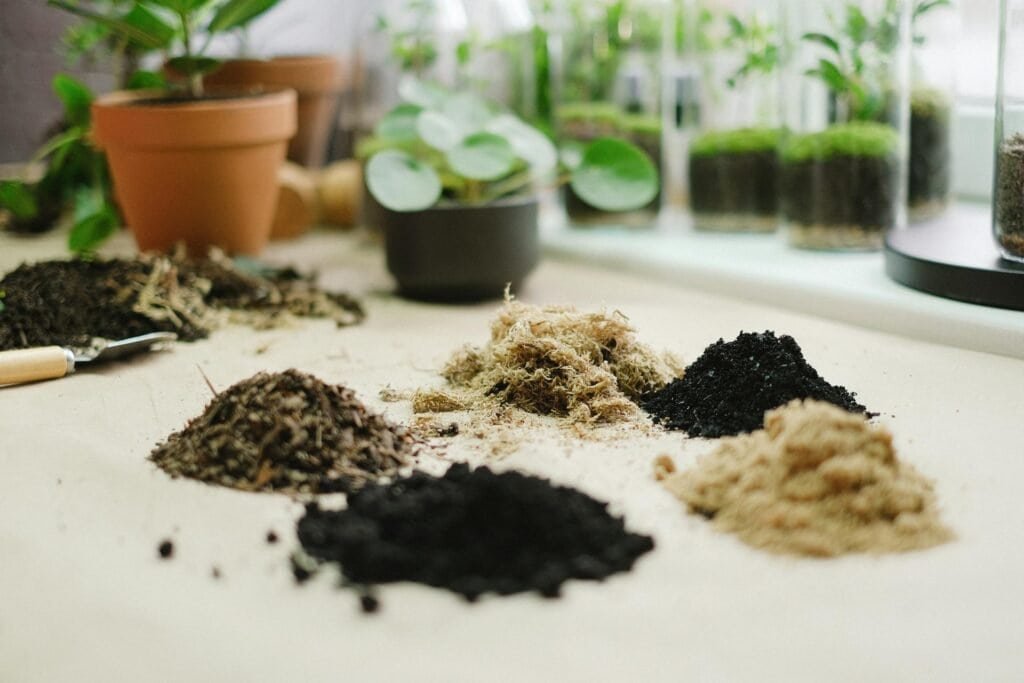
The answer is a resounding YES. In fact, mixing coco coir into a soil mix is an incredibly popular technique used by growers of all skill levels.
Honestly, finding out you can mix coco and soil felt like discovering a cheat code.
It seems like a perfect way to get some of the benefits of coco – like better drainage and aeration – without having to jump headfirst into managing a full hydroponic system with all the nutrient mixing and pH testing that involves.
By adding coco coir to your potting soil, you are essentially creating a hybrid grow media. Here’s what it accomplishes:
- It Lightens the Soil: The fibrous texture of coco prevents the soil from becoming overly compacted.
- It Boosts Aeration: More air pockets are created around the roots, helping them breathe and grow stronger.
- It Improves Drainage: The mix won’t hold onto excess water as much as pure soil, which significantly reduces the risk of overwatering your plant.
At the same time, the soil component in the mix still provides that forgiving nutrient buffer and helps retain enough moisture so you’re not watering constantly.
Many growers will create a mix that’s about 70-80% high-quality soil and 20-30% coco coir. This approach gives you a fantastic middle ground and can be a great step up for a second-time grower, or even an adventurous first-timer.
My Verdict: Which Grow Media Seems Best for a First Timer?
So, after all that research, what’s the final answer in the great “soil vs. coco coir” debate? The truth is, the more I learned, the more I realized there isn’t one single “best” grow media. The best option really depends on what kind of person you are and how you want to approach your first grow.
Weighing the Similarities and Differences Between Coco and Soil
It all boils down to a simple trade-off: simplicity vs. control.
- You should probably choose soil if: You want a more forgiving and less hands-on introduction to growing. If the idea of mixing liquid nutrients and checking pH levels sounds intimidating, a high-quality soil is your best bet. It lets you focus on the basics, like lighting and watering, without overwhelming you from day one.
- You might want to choose coco coir if: You’re the kind of person who loves data, control, and doesn’t mind a steeper learning curve. If you’re excited by the idea of being your plant’s personal chef and potentially achieving faster growth, and you’re prepared to be more involved on a daily basis, coco coir could be a perfect fit.
The Decision… For My First Grow
After weighing all the pros and cons for my own situation, I’ve made a decision.
For my very first plant, I’m going to start with a high-quality organic soil.
The forgiveness factor is the biggest selling point for me. I know I’m going to make mistakes, and having a grow media that can act as a bit of a safety net gives me the confidence I need to just get started. It feels like the right choice to learn the fundamental ropes of growing a healthy plant.
But that doesn’t mean I’m Team Soil forever. I’m absolutely keeping a brick of coco coir on my shelf. For my second grow, I’m definitely planning to try that 70/30 soil and coco coir mix we talked about to see the difference for myself. It’s all a learning process, and that’s exactly what this journey is about.
Frequently Asked Questions (FAQ)
Here are some quick answers to the most common questions I came across during my research.
Is coconut coir better than soil?
“Better” really depends on the grower. Soil is often considered better for beginners because it’s more forgiving and simpler to start with.
Coco coir is often considered better for more experienced growers who want total control over nutrients to achieve potentially faster plant growth.
There’s no single best answer, only what’s best for your skill level and growing style.
What is the main disadvantage of using coco coir?
The biggest disadvantage is that it’s completely inert, meaning it contains zero nutrients.
This puts 100% of the responsibility on you to provide a complete and balanced diet for your plant using liquid fertilizers from the very beginning.
This adds a layer of complexity and a steeper learning curve that you don’t have with a high-quality soil.
Is coco coir more expensive than soil?
This is a bit of a “yes and no” answer.
Upfront, a compressed brick of coco coir can seem cheaper than a large bag of premium, pre-amended organic soil. However, you have to factor in the cost of buying a full line of liquid nutrients and a Cal-Mag supplement to use with the coco.
When you add those required costs, a coco coir grow is often more expensive to start than a soil grow. Over the long run, coco can be more economical since it can be washed and reused.
Can I use coco coir instead of soil?
Yes, you absolutely can, and many people do.
The important thing to remember is that you are not just swapping one type of “dirt” for another.
You are fundamentally changing your growing method from using a nutrient-rich medium (soil) to a soilless, hydroponic-style medium (coco coir) where you must provide all the nutrition yourself.
Well, that was a deep dive! My biggest takeaway from all this research is that there’s no secret password or “one true way” to grow. The whole soil vs. coco coir debate really comes down to choosing the path that feels right for you and your learning style. Whether you choose the forgiving, gentle learning curve of soil or the high-control, hands-on approach of coco coir, the most important thing is to just get started. Don’t let the fear of choosing the “wrong” thing stop you from growing your own medicine.
I’ve shared my decision to start with soil, but now I want to hear from you. Which path are you taking for your first (or next) grow? Are you Team Soil, Team Coco, or are you going to try mixing them? Drop a comment below and let’s compare notes – we’re all in this to learn together.