Indica vs Sativa Effects: A First-Time Grower’s Guide to Cannabis Strains & Hybrids
What are the real indica vs sativa effects? It’s the first question on your mind when you stare at a dispensary menu packed with dozens of cannabis strains. With names like ‘Galactic Gorilla’ and ‘Pineapple Doomsday,’ it’s easy to feel overwhelmed and just default to one of the three main labels everyone knows: Indica, Sativa, or Hybrid.
Now, imagine making that choice not just for tonight’s relief, but for the next three to four months. That’s the decision we face as first-time growers. The question suddenly carries a lot more weight when you’re the one nurturing the plant from a tiny seed. It can feel pretty intimidating, and making the wrong choice could mean wasting a lot of time and effort in your cannabis garden.
When I first decided to grow my own medical cannabis, I thought I had it all figured out: Indica for sleep, Sativa for energy. Simple, right? Well, I quickly learned that the real story is way more interesting—and way more important—for someone choosing their very first plant. In this guide, I’m going to walk you through everything I’ve learned about what these terms really mean for our first grow.
The Classic Stoner Wisdom: What We’ve All Been Told
Honestly, before I decided to grow my own, my main thought about cannabis strains happened while standing in a dispensary line, looking at the menu and doing some quick, panicked math on how much an ounce was going to set me back. I’d just ask for ‘a strong indica’ or ‘an energetic sativa,’ trusting the simple story we’ve all been told. And that story usually goes something like this…
“In-Da-Couch”: The Indica Stereotype Explained
This is the one everyone knows. The common wisdom says that an indica is your ticket to relaxation city. The classic mnemonic is “Indica = In-Da-Couch” for a reason. The expected effects of indica are deeply calming and physical, often described as a ‘body high.’ People typically reach for an indica at the end of the day to unwind, manage pain, or get some help falling asleep. The general consensus is that indica is more relaxing and has a powerful sedative effect, making it the go-to cannabis for nighttime use. These calming effects are the cornerstone of the indica reputation.
“Heady Highs”: The Sativa Stereotype Explained
On the other side of the coin, you have sativa. If an indica is the brake pedal, a sativa is supposed to be the gas. The lore says that sativa is more energizing, providing uplifting effects that are more cerebral or ‘heady.’ The effects of sativa are associated with boosting creativity, sharpening focus, and providing the energy to clean your entire house on a Saturday morning. This is the type of cannabis people traditionally recommend for daytime use when you want to be active and sociable, not glued to your furniture. When you compare sativa and indica, the difference is presented as night and day.
A Grower’s Perspective: Key Differences in the Grow Tent
This was the first big ‘aha!’ moment for me. I have limited space, so learning that one type of plant grows like a Christmas tree and the other can stretch to the ceiling was a game-changer. While the stereotypes about the effects can be fuzzy, the physical differences between indica and sativa plants are very real and will have a huge impact on your grow.
Meet the Indica Plant: Short, Bushy, and Quick to Finish
From a grower’s standpoint, indica plants are often a beginner’s best friend, especially if you’re working with a grow tent or have limited vertical space. Originating from colder, mountainous regions like Afghanistan and Tibet, these plants adapted to have a shorter flowering season.
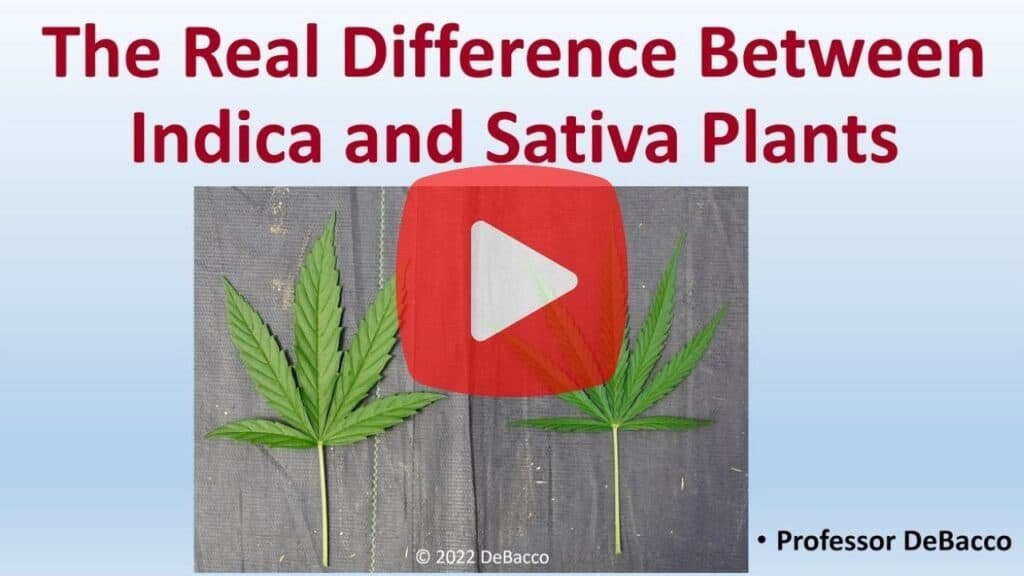
This means indica plants are short and stocky, often resembling a small, conical Christmas tree. Their leaves—the classic indica leaves—are broad and dark green. Because of this dense, bushy structure, you might need to do some pruning to make sure light and air can get to the whole cannabis plant. The big advantage? Indica plants are shorter, meaning they are easier to manage indoors, and they typically finish flowering faster than their sativa cousins.
Meet the Sativa Plant: Tall, Lanky, and Takes Its Time
Sativa plants are the polar opposite. Hailing from warmer, equatorial regions like Colombia, Mexico, and Thailand, they had long seasons to soak up the sun and could afford to take their time growing. As a result, sativa plants tend to be tall and lanky, with a much more open and airy structure. Their sativa leaves are long and narrow, a lighter shade of green compared to indica leaves.
For a new grower, this is critical information. Sativa plants can double or even triple in height during the early flowering stage—a phenomenon growers call “the stretch.” If you’re not prepared, they can quickly outgrow your tent and run into your lights. They also require a longer flowering period to fully mature, testing the patience of any grower.
And What About Hybrid Plants?
Here’s the reality of the modern cannabis world: almost everything you’ll grow is a hybrid. For decades, breeders have been crossing indica and sativa plants to create new strains that capture the best of both worlds.
The goal is to mix and match desirable traits. A breeder might take a sativa known for its uplifting effects and cross it with an indica to shorten its height and reduce the long flowering time. This results in countless options, which are often described as “indica-dominant” or “sativa-dominant.” This is great news for us growers, as it gives us a massive variety of cannabis plant options that are better suited for indoor growing than a pure, wild sativa might be.
Key Takeaway: The physical differences between indica and sativa plants are REAL. Your choice will affect how you manage your grow space and how long you wait for harvest. Sativa plants tend to grow tall, while indica plants are shorter and bushier.
The Real Deal: Why It’s More Than Just Indica or Sativa
I went down a rabbit hole for days on this. I saw some people on forums saying ‘indica vs sativa is a total myth!’ and others defending it to the death. Here’s the simple truth I pieced together: It’s not a myth, but it’s not the whole story either. The real magic is in the ingredients, not just the family name. Thinking about Cannabis Sativa vs Cannabis Indica is a good starting point, but the true difference comes from a plant’s unique chemical profile.
It’s Really About Cannabinoids (Mainly THC and CBD)
The first and most important ingredients in this profile are cannabinoids. These are the primary compounds in cannabis that interact with our bodies. The two most famous ones are THC and CBD.
THC (Tetrahydrocannabinol): This is the cannabinoid that gets all the attention. THC is the main component responsible for the psychoactive effects of cannabis—the “high” that makes you feel euphoric, relaxed, or sometimes anxious. A strain’s THC content is a big factor in its potency.
CBD (Cannabidiol): This is the non-intoxicating superstar. CBD doesn’t produce a “high” like THC does, but it’s celebrated for its wide range of therapeutic effects. It can help with anxiety, inflammation, pain, and seizures. More importantly, CBD can actually counteract some of the negative side effects of THC, like paranoia.
The difference between indica and sativa effects often has more to do with the ratio of THC and CBD than the plant’s lineage. A strain with a high THC content and very little CBD will have powerful psychoactive effects. A strain with a more balanced mix of THC and CBD will offer a much milder, more functional experience.
Don’t Forget the Terpenes: The Secret Sauce of Cannabis
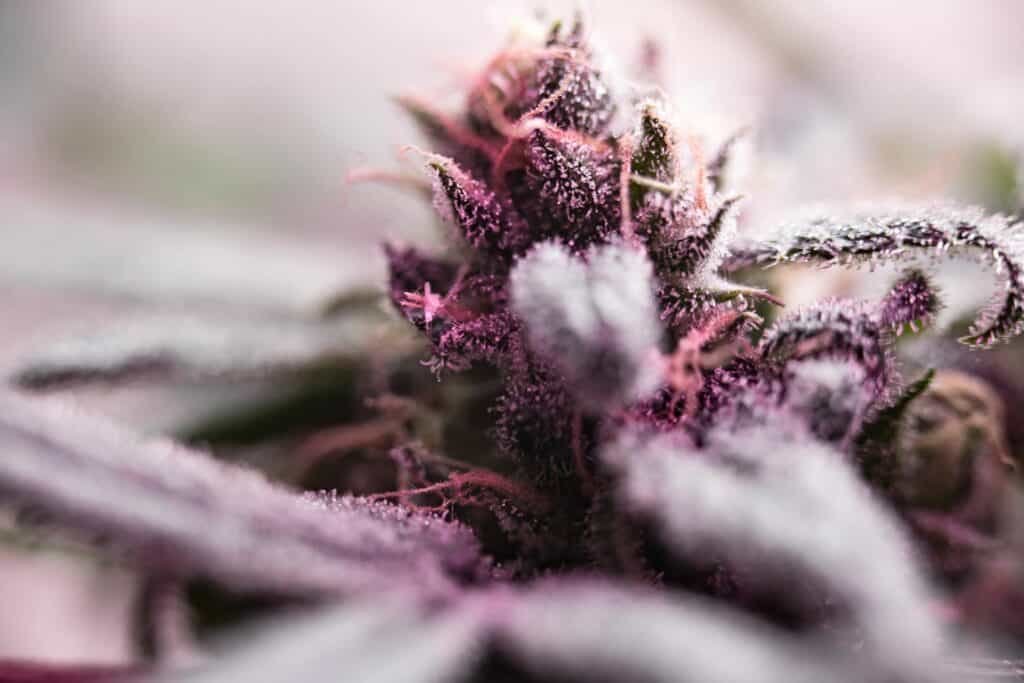
If cannabinoids are the engine of the cannabis plant, certain aromatic compounds are the steering wheel. Have you ever noticed how one strain might smell like lemons and another like a pine forest? You can thank terpenes for that. They are the essential oils found in cannabis and many other plants.
But here’s the cool part: these aromatic oils do more than just provide flavor and scent. They also work with the cannabinoids to influence the effects of a strain. This is why two strains with the exact same THC percentage can make you feel completely different.
For example, a terpene called Myrcene (also found in mangoes and thyme) is known for its relaxing, sedative properties. A strain high in Myrcene is more likely to give you that “in-da-couch” feeling. On the other hand, a compound like Limonene (found in citrus rinds) is known to be uplifting and mood-boosting. A strain rich in Limonene is more likely to feel like a classic sativa.
Putting It All Together: The “Entourage Effect”
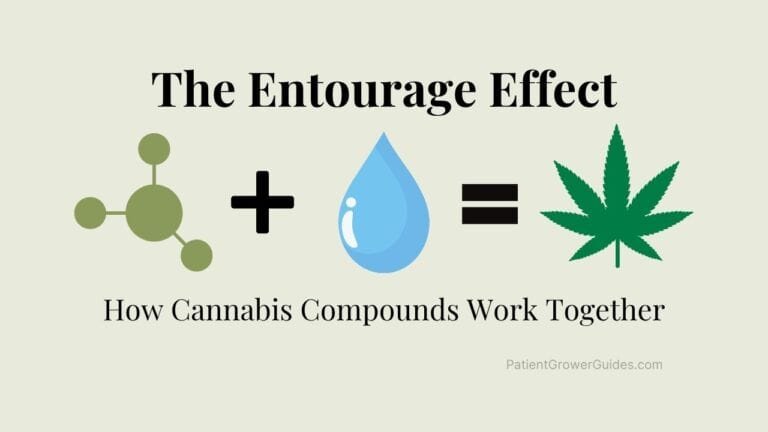
This brings us to the most important concept in modern cannabis science: the “Entourage Effect.” This is the theory that all the compounds in the plant—THC, CBD, minor cannabinoids, and the aromatic profile—work together synergistically. Think of it like a band. THC might be the lead singer, but the final sound depends on the bassist (CBD), the drummer (other cannabinoids), and the guitarist (terpenes).
This is why the simple indica vs sativa debate is outdated. A Cannabis Indica plant that happens to have an aromatic profile high in Limonene might feel surprisingly uplifting. A Cannabis Sativa plant packed with Myrcene could have you ready for a nap. The unique effects of any given strain are a result of this entire chemical entourage. So when we’re choosing a strain to grow, looking at the cannabinoid and terpene data is far more useful than just relying on the Indica or Sativa label alone.
How to Choose a Strain for Your First Medical Grow (Indica vs Sativa effects)
Okay, armed with all this new info, here’s how I’m approaching the choice for my own grow. Instead of walking into a seed bank (or Browse a website) and asking “Indica or Sativa?”, I’m now asking a much better question: “What effects am I looking for?”
This shift is everything. It puts you in control, allowing you to find a plant that will genuinely help with your specific needs. Here’s a simple framework you can use.
Choosing for “Relaxing & Calming” Effects
If your goal is to ease chronic pain, get a restful night’s sleep, or simply reduce anxiety and stress after a long day, you’ll want to look for strains known for their calming effects.
This is where you’ll often find indica-dominant strains. But more importantly, look at the lab data if it’s available. Search for strains that are high in the terpene Myrcene. This is your best indicator for those classic, relaxing medical effects. Don’t be surprised if the best strain for this is a hybrid—it might give you the calming effects you need but in a plant that’s easier to manage than a pure indica.
Choosing for “Uplifting & Energizing” Effects
On the flip side, maybe you need something to help you combat fatigue, spark creativity, or lift your mood during the day without knocking you out. In this case, you’re looking for strains with uplifting effects.
You’ll typically find these qualities in sativa-dominant options. Again, dig deeper than the label. Look for sativa strains with an aromatic profile rich in Limonene or Pinene. These are known for their mood-boosting and focus-enhancing properties. This is a great choice for patients who want the therapeutic effects of cannabis while maintaining energy and clarity for daily tasks.
Choosing for a “Balanced” Experience
If you’re new to the world of cannabis or particularly sensitive to the effects of THC, this is the perfect place to start. A balanced experience aims to provide clear-headed relief with minimal psychoactive intensity.
Look for two things: balanced strains or, even better, strains that have a nearly 1-to-1 ratio of THC to CBD. These are often praised by medical cannabis patients because they deliver powerful therapeutic benefits—like pain and anxiety relief—without the overwhelming high that can come from high-THC strains. It’s an excellent way to get the medical effects of cannabis in a very manageable and functional way.
Answering Your Questions (The Stuff I Googled at 2 AM)
My search history from the first week of this project is a wild ride. It’s filled with all the questions you’re probably asking yourself right now. Let me save you the trouble and answer some of the big ones I had.
Is the Indica vs. Sativa distinction debunked or does it matter?
It’s not so much debunked as it is updated. The distinction absolutely matters if you want to tell the difference between indica and sativa plants—one grows short and bushy, the other tall and lanky.
However, for predicting the effects, the distinction is an overly simple starting point. The modern understanding is that the combination of cannabinoids and other compounds is what truly determines how a strain will make you feel.
Does Indica or Sativa have more THC?
This is a common myth. Neither category inherently has a higher THC content than the other. Breeders have developed incredibly potent indica, sativa, and hybrid options.
The amount of THC is specific to each individual strain, so it’s always best to check the lab results or breeder’s information rather than assuming one type is stronger than another.
Are there potential side effects I should be aware of?
Yes, and it’s important to be aware of them. The potential side effects of cannabis can include dry mouth, red eyes, dizziness, and increased heart rate. Strains with very high THC can sometimes cause anxiety or paranoia, which is one reason starting with a balanced strain is a good idea.
It’s also important to use cannabis responsibly, as a small percentage of users can develop what’s known as a cannabis use disorder. Being mindful of your consumption habits is always a smart practice.
Why do some people feel energized by an Indica or sleepy from a Sativa?
This is the perfect example of the “Entourage Effect” in action! If an indica strain happens to have a profile rich in an uplifting compound like Limonene, it can provide an unexpectedly energizing effect.
Conversely, if a sativa plant produces a lot of a sedative compound like Myrcene, it might have you ready for a nap. This is the best proof that you can’t always judge a strain by its label.
So, What’s the Real Difference In the Sativa and Indica Effects Debate?
It turns out the answer is twofold. For us growers, the labels “indica” and “sativa” are still incredibly useful for predicting a plant’s shape, size, and how long it will take to flower. But when it comes to predicting the actual effects, it’s all about the unique mix of cannabinoids and terpenes within that specific strain.
You’ve just absorbed a ton of information, but don’t let it overwhelm you. By simply understanding the role of THC, CBD, and terpenes, you now know more than most people standing in line at the dispensary. You’re no longer just guessing; you’re equipped to make an informed choice for your health and your grow tent.
Now you’re ready to check out some strain reviews, look at breeder information with a new perspective, and pick that perfect seed for your first run.
Happy growing!